Exploring Your Choices: A Complete Guide to Passenger Van Rental Types
With regards to passenger van rentals, understanding the different types available is essential for a smooth journey. Different sizes and features meet the needs of varied groups, from families to corporate teams. Each option offers distinctive advantages that can improve comfort and convenience. However, the choice may look overwhelming. What factors should one consider to confirm the right fit for their needs? The answers rest in analyzing the specifics of each category.
Comprehending Passenger Van Rentals: Varieties and Attributes
When assessing passenger van rentals, it is essential to understand the diverse types and features offered to meet diverse transportation needs. Passenger vans practical tips typically are offered in two main types: standard and extended. Standard vans usually accommodate around 8 to 12 passengers, suitable for small groups or families, while extended vans can hold up to 15 passengers, serving larger gatherings or team outings.
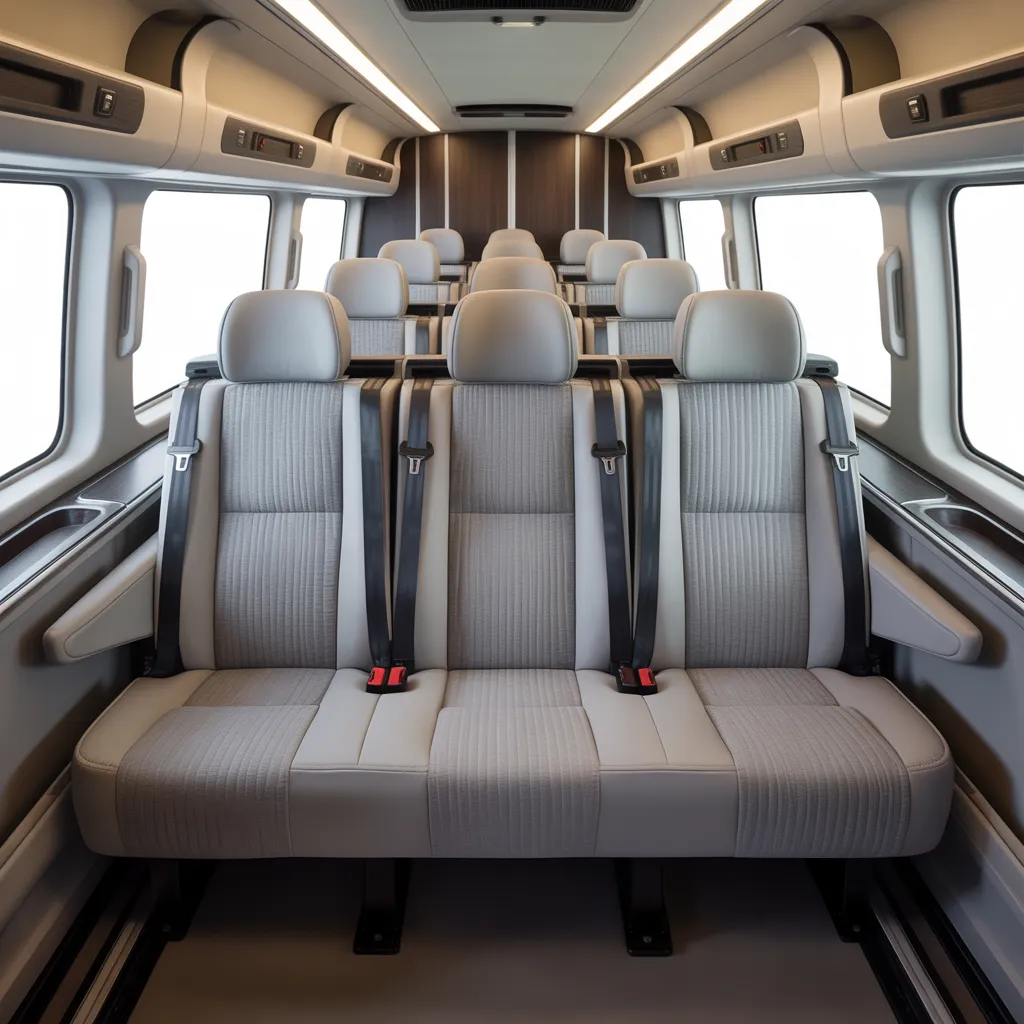
Important features to examine include seating configurations, cargo space, and accessibility options. Various vans feature flexible seating arrangements, allowing for the removal or reconfiguration of seats to maximize cargo capacity. Furthermore, specific models offer amenities such as air conditioning, entertainment systems, and advanced safety features, enriching the travel experience.
Grasping these options empowers renters to select a vehicle that matches their individual demands, guaranteeing a enjoyable and effective travel experience for all passengers included.
How to Choose the Proper Size for Your Group?
Selecting the correct size passenger van requires examining the demands of the group, including the number of passengers and their luggage. It is essential to take into account how much space is required for comfort during the journey. Examining these factors ensures that all members have an enjoyable experience without feeling cramped.
Determine Team Size Requirements
Identifying the right size of a passenger van is vital for accommodating various group sizes effectively. When assessing group size requirements, one must consider the total number of passengers traveling together. Typical options include 8, 12, or 15-passenger vans, each catering to distinct group sizes. For a small family or a few friends, an 8-passenger van may suffice. However, for larger gatherings such as sports teams or corporate events, a 12 or 15-passenger van would be more suitable. Additionally, it is important to account for any potential growth in the group size, such as last-minute additions. By evaluating the number of passengers accurately, individuals can provide a comfortable and efficient travel experience for everyone involved.
Consider Baggage Demands
Handling luggage demands is as vital as considering the number of passengers when deciding on a passenger van. Groups need to examine the extent and type of luggage they intend to transport. For example, heavy suitcases, sports equipment, or large items could require a larger van. Each passenger typically has one or two bags, but additional gear can greatly alter space demands.
It's crucial to account for the luggage when determining the van's capacity; an overpacked vehicle can create unsafe conditions and discomfort. Many rental services supply specifications specifying the cargo area dimensions. By factoring in both passenger numbers and luggage demands, groups can secure a seamless and efficient travel experience, avoiding last-minute adjustments or inconveniences.
Examine Ease Needs
How can a group ensure all members have an enjoyable trip? Analyzing comfort preferences is crucial when selecting the right passenger van size. Groups should assess the number of travelers and their individual needs for space and comfort. For example, taller individuals may demand more legroom, while others might prefer extra headspace. Moreover, assessing preferences for seating arrangements—like bench seats versus individual chairs—can improve overall comfort. It is also essential to factor in any special considerations, such as child safety seats or accessibility features. By prioritizing these factors, groups can secure an enjoyable ride, minimizing discomfort during travel and maximizing the experience for all participants. Finally, thoughtful planning around comfort can lead to a memorable journey.
Passenger Van Rental Budget Planning: Key Factors to Consider
When organizing a journey that needs a passenger van rental, it is vital to consider several budgetary considerations to provide a smooth experience. The first aspect is the rental fee, which can differ significantly based on van size, rental timeframe, and location. It is prudent to compare costs from numerous rental agencies to find the best deal.
Extra expenses, including insurance, fuel, and mileage fees, need to be incorporated into the budget. Insurance choices can vary in cost and protection, so knowing the terms is vital. Fuel efficiency of the chosen van can influence total expenses, making it critical to investigate the vehicle's mileage ratings.
Finally, potential fees for extra drivers, late returns, or cleaning can contribute to the final bill. By carefully assessing these financial considerations, travelers can guarantee they make an informed decision and avoid unforeseen expenses during their rental experience.
Contrasting Regular versus High-End Passenger Vans
When evaluating standard and luxury passenger vans, a number of significant features are revealed, emphasizing contrasts in comfort and amenities. Cost and budget considerations range widely between the two categories, influencing rental decisions for varying price ranges. Comprehending the ideal use cases for each type can guide renters toward the best option for their particular requirements.
Primary Features Comparison
Passenger vans can be found in a range of styles, with economy and upscale options accommodating different needs and preferences. Basic passenger vans generally focus on functionality, providing generous seating and cargo space, combined with essential features including air conditioning and basic audio systems. They are often equipped with practical safety features, such as multiple airbags and stability control, which makes them ideal for big families or groups on a budget.
On the other hand, luxury passenger vans enhance the travel experience with high-quality interior materials, advanced technology, and enhanced comfort features. These may include high-grade leather seating, high-end audio systems, climate control for individual zones, and supplementary amenities like entertainment systems and Wi-Fi connectivity. In the end, the choice between standard and luxury vans relies on the sought-after level of comfort and the unique needs of the group.
Pricing and Affordability
The cost of renting passenger vans may fluctuate considerably according to the selected type, with standard options generally being more budget-friendly than their luxury counterparts. Standard vans generally have lower starting prices, making them available for extended parties or budget-conscious travelers. These vehicles usually come equipped with essential features, guaranteeing a practical solution for mobility needs. In contrast, luxury passenger vans demand higher rental prices, reflecting their premium amenities and enhanced comfort. They may include state-of-the-art technology, superior seating, and additional space, attracting those seeking a more upscale travel experience. Consequently, prospective renters must weigh their budget against their desired features when picking between standard and luxury options, maintaining a suitable balance between cost and comfort.
Perfect Applications
For various travel scenarios, selecting between standard and luxury passenger vans can greatly impact the overall experience. Standard vans are well-suited for budget-conscious groups, such as families or sports teams on road trips, providing ample space and functionality without unnecessary frills. They provide basic amenities, making them ideal for practical transportation needs. In contrast, luxury passenger vans are ideal for business events, weddings, or executive travel, where comfort and style are paramount. Outfitted with high-end features like leather seats, climate control systems, and entertainment options, these vans enhance the travel experience. Eventually, choosing the appropriate van type relies on the nature of the trip and the desired level of comfort, seeing to it that all passengers have a pleasant journey.
Professional Vans for Specific Needs
Whereas traditional passenger vans cater to general transportation requirements, specialized vans are built to accommodate unique needs, ensuring that diverse groups can travel safely and safely. Options such as wheelchair-accessible vans feature essential elements like ramps and secure tie-downs, making travel possible for individuals with mobility difficulties. Likewise, vans equipped with additional safety components cater to larger families or groups, providing reassurance during lengthy journeys.
For businesses, cargo vans can serve dual purposes, permitting both passenger and equipment transport. In contrast, luxury vans offer a premium experience, complete with upscale seating and amenities for corporate travel or special events. Additionally, eco-friendly vans are becoming increasingly prevalent, aligning with sustainability goals while delivering comfortable transport. Each specialized van type fulfills specific needs, guaranteeing that every journey is adapted to the unique requirements of its passengers, promoting inclusivity and convenience across various scenarios.
Ways to Make Van Rental Hassle-Free
To ensure a hassle-free van rental process, renters should review several essential factors ahead of making a reservation. To begin with, it is essential to determine the size of the van needed, taking into consideration the number of passengers and luggage. Subsequently, examining rental policies, including mileage limits and fuel requirements, can prevent unforeseen costs.
Travelers should also look for available amenities including GPS, child seats, or Wi-Fi, which may increase comfort during the ride. Scheduling in advance is suggested to secure the desired vehicle and potentially access lower rates.
In addition, checking pickup and drop-off locations, and also hours of operation, can facilitate the rental process. Last but not least, it is advisable to check customer reviews to determine the reliability of the rental company. By attending to these considerations, travelers can guarantee a hassle-free van rental experience that fulfills their specific needs.
Comprehending Insurance Options and Liability Coverage
What factors should travelers consider when exploring insurance options for their van rental? Initially, it is crucial to understand the coverage types available. Core liability insurance, often included, covers damage to other vehicles or injuries to other individuals. Yet, travelers may need additional coverage for their rental vehicle. A collision damage waiver (CDW) can safeguard against repair costs, while personal accident insurance supplies medical coverage for passengers.
Travelers must also evaluate their existing insurance policies. Some personal auto insurance plans cover rental vehicles, possibly eliminating the need for extra coverage. Credit cards often provide rental insurance benefits, but policy details differ.
Finally, assessing the rental company's insurance options is crucial. Grasping deductibles, coverage limits, and exclusions can allow travelers make informed decisions. By thoughtfully reviewing these factors, travelers can choose an insurance plan that meets their needs and provides peace of mind during their travels.
Frequently Asked Questions
Can I Get a Passenger Van Rental for a One-Way Journey?
Many rental companies do provide one-way rental options for passenger vans. However, availability and fees may vary, so it is advisable for customers to check specific policies with their chosen rental agency before booking.
Is There an Age Requirement for Passenger Van Rentals?
Age limitations for leasing a passenger van usually mandate drivers to be at least twenty-one years old. Various rental agencies may charge extra fees for drivers under the age of 25, while other companies may have different age policies.
Will I Need a Particular License to Handle a Passenger Van?
Usually, a standard copyright will suffice for renting and driving a passenger van. However, specific requirements could vary based on the rental company or local regulations, so it's prudent to review terms beforehand to verify compliance.
What Is the Standard Fuel Efficiency for Passenger Vans?
Typical fuel economy for passenger vans falls from 15 to 25 miles per gallon, based on the size, weight, and engine type. Larger models typically consume more fuel, while more modest vans may offer enhanced efficiency.
May I Add More Drivers to My Rental Agreement?
Yes, additional drivers can typically be added to a rental agreement. Nevertheless, this typically incurs supplementary charges and demands that additional drivers fulfill the rental company's age and verification standards. Always check specific policies before renting.